
- Home
- Products
- Beauty and personal care
- Bath supplies
Boar Bristle Massage Bath Brush, Handheld Body Brush, Round Shower Brush, Wooden Bath Scrub Brush

Boar Bristle Massage Bath Brush, Handheld Body Brush, Round Shower Brush, Wooden Bath Scrub Brush
- Material: Hemp/Bamboo + Bristles + Plastic Sheets
- Product category: Bath brush/massage brush
Product details introduction
The Natural Wild Boar Bristle Body Brush serves two purposes because it helps users exfoliate and massage their skin while working in both dry and wet conditions. The brush features a long handle which enables users to perform back massages while also serving as a shower brush for personal hygiene needs. The brush functions as a portable bathroom tool which users can carry with them.
The body brush contains natural wild boar bristles which attach to an eco-friendly polished bamboo long handle that provides both comfort and durability. The bristles maintain a gentle touch which effectively cleans pores by removing dirt while simultaneously exfoliating dead skin cells without causing any skin irritation. The bamboo handle of this product features an ergonomic design which provides a comfortable grip while allowing you to access difficult-to-reach spaces including the back area. The brush head features an adjustable wrist strap which provides users with secure grip while the round brush surface with massage nodes allows dry or wet use for enhanced massage results through exfoliating scrub application to improve blood circulation and reduce muscle fatigue. The product features odorless materials which make it simple to clean and it serves as a necessary item which enhances your shower time while providing excellent results for your daily exfoliation and body care needs. Use this product with body wash during your daily shower routine to remove all types of oil and dirt from your back and limbs and other body areas. Dry-brushing your skin before showering helps unclog pores and improve rough skin texture which results in better body lotion absorption when you apply it after showering. The product works best for specific exfoliation needs when you use it with a body scrub which delivers excellent results for treating keratosis pilaris and skin roughness. The noded brush surface of the tool enables you to perform neck and shoulder and waist and back massages during shower time which helps reduce fatigue from sitting for long periods.
Instructions for Use:
1. Dry Brushing Method: You should dry your skin completely before you start your shower. Perform 5–8 gentle circular strokes which direct your body parts toward your heart center. The skin requires gentle treatment because you should avoid both skin pulling and scrubbing.
2. Wet Brushing Method: Start by wetting your hairbrush before adding body wash or exfoliating scrub which you should use to clean your body through circular movements that concentrate on your back and joint areas. The brush needs complete rinsing followed by drying after each usage.
3. Storage & Maintenance: Users need to rinse the bristles following use before they should shake out water and then place the brush in a dry location with good airflow for drying. The brush should not stay submerged in water for any length of time.
FAQs & Solutions:
1. Bristle Shedding: A new brush will naturally lose some of its bristles but the amount will decrease when you use the brush multiple times. The bristles should not be pulled to increase the brush’s operational duration.
2. The cleaning process fails to produce proper results. The brush head needs to soak in warm water with dish soap for ten minutes before you should scrub the bristles gently before a complete rinse. Do not clean it with a stiff-bristled brush.
3. Handle Damage: The long handle requires careful handling because it should not experience forced bending and heavy objects must stay away from it. The brush requires daily gentle handling and storage to stop it from breaking.
Products for sourcing from China

Wide Gold Bangle Bracelet, Fashion Statement Cuff Bracelet for Women Daily Wear & Party
This wide gold bangle bracelet is a fashionable statement cuff designed for women. With a polished gold finish and bold wide silhouette, it adds a luxurious highlight to daily wear, office looks, parties and special occasions. Easy to put on and comfortable to stack with other bracelets, it is a must-have trendy accessory for modern women.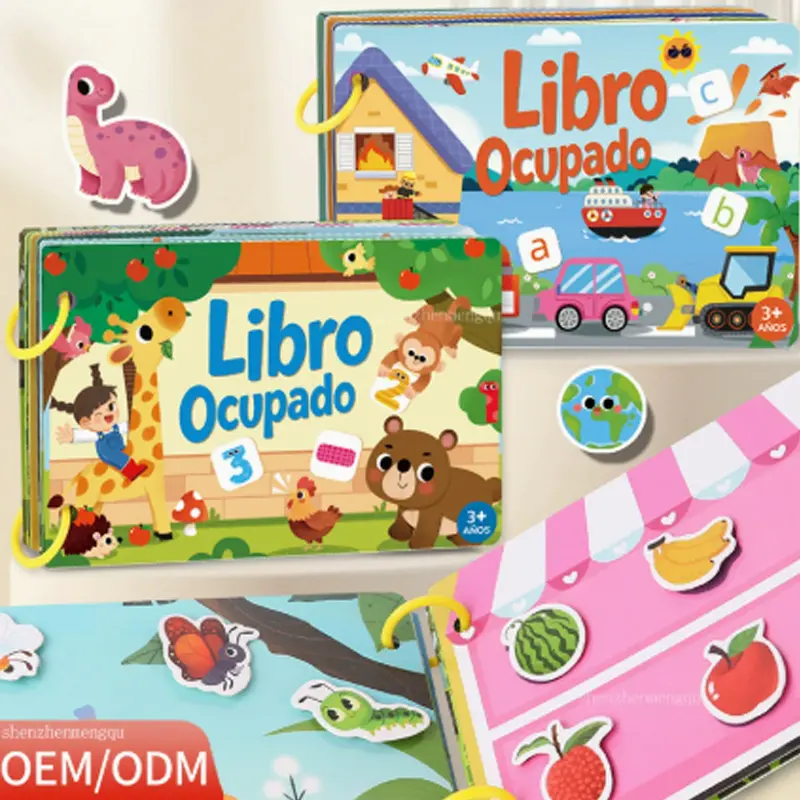
Kids Educational Jigsaw Puzzle, Fun Learning Toy for Toddlers & Preschool Children
This kids educational jigsaw puzzle is a fun learning toy designed for toddlers and preschool children. With bright colors and cute cartoon patterns, it helps develop children’s concentration, hand-eye coordination and logical thinking. Perfect for early education, family interaction and classroom activities.
Wabi Sabi Human Body Ceramic Vase, Abstract Female Figure Vase for TV Cabinet & Home Decor
This wabi-sabi style ceramic vase is made of white porcelain with abstract female figure design. It can be matched with pearl necklace as decoration, suitable for dried flower arrangement, perfect for TV cabinet, living room, homestay tabletop ornament.
Large Capacity Foldable Shopping Bag, Portable Polyester Printed Tote, Reusable Handbag for Storage, Multi Patterns
A 45×65cm polyester handbag that folds flat for easy carrying, available in a variety of printed patterns. Ideal for grocery shopping, commuting and home storage — sturdy stitching and comfortable to carry.
Dark Wash Cotton Twill Stretch Denim Fabric by the Yard
Stretch denim fabric by the yard, dark wash cotton twill jeans cloth with soft hand feel and comfortable elasticity. Suitable for making pants, jeans, jackets, skirts, bags, denim crafts and casual clothing projects.
Slim Leather Cigarette Case with Cash and Card Storage
Stylish long leather cigarette case holder, slim portable design, smooth zipper closure, spacious enough for cigarettes, cash, cards and small daily items, multiple colors available.China sourcing and shipping guides

How to Reduce Damage Risk When Consolidating Mixed Goods for Russia
Learn how to reduce damage when consolidating mixed goods for Russia through supplier instructions, receiving checks, reinforced packing and tracking. URL Slug: reduce-damage-mixed-cargo-consolidation-russia

Multimodal China-to-Russia Transport: Combining Rail, Truck, and Air
When suppliers in Yiwu and Guangzhou finish on different days, the buyer must decide whether to wait and consolidate or dispatch ready goods first. A truck can collect cartons from each factory before rail or air takes the main leg and a Russian carrier completes delivery. Each handoff affects timing, cost, and responsibility for delays. The useful question is not how many modes appear on the quote. It is whether the route fits the cargo, delivery date, budget, and customs requirements. NFLD5858’s China-to-Russia logistics services cover sourcing, warehouse handling, railway freight, customs coordination, and delivery. The route and availability still need to be checked against the actual shipment. What multimodal transport means for a China–Russia shipment Multimodal transport combines at least two modes, for example truck and rail or air and truck. Depending on the route, cargo may remain in one handling unit or be transferred at a hub. For the buyer, the practical difference is the number of legs, handoffs, and parties that need to stay aligned. This affects the bill and who responds when something slips. A quote labelled “rail” might end at the terminal, leaving collection, export handling, customs support, and final delivery outside the price. Ask the forwarder to mark each custody transfer and name the responsible party. Calling a plan multimodal does not make every combination bookable. Capacity, acceptance rules, schedules, border conditions, and delivery coverage all narrow the options. Check the cargo and full destination first; a route used for another shipment may not be available here. Give each transport mode a clear job Rail for planned replenishment Rail is easier to plan when replenishment dates are known and inventory can cover the longer lead time. That is usually a better fit for scheduled stock than for an order needed to fix a shortage this week. The train is only one part of the movement: collection, terminal handling, customs documents, and delivery after arrival still need owners. NFLD5858 lists 18–25 working days as a reference window for its China–Russia railway service. It is a planning estimate, not a door-to-door commitment; the dispatch date, destination, clearance, and final delivery all affect the calendar. When comparing China–Russia rail freight, check whether the clock starts at warehouse release or train departure. Without that starting point, the estimate is hard to use for inventory planning. Truck for collection and flexible land legs Truck commonly handles the connections around the main leg. It may collect goods from factories in different cities, take cartons to a rail terminal or airport, then move cleared freight toward a regional delivery point. Even a short road leg can affect the hub cut-off, delivery date, and handling charges. For cross-border road freight, get the crossing point, any vehicle changes, customs responsibility, and delivery area in writing. Compare quotes only after aligning their endpoints. A price to a Russian hub is not the same as a price to the consignee’s address. Truck can also serve as the main mode on suitable routes. Confirm cargo acceptance, available capacity, border conditions, schedule, and equipment for the shipment. Air for urgency or high cargo value Air is worth pricing when the cost of waiting outweighs the freight premium, for example when a production component is missing or a launch item is delayed. Compact, higher-value goods may also fit if the airline accepts them and the destination is covered. Chargeable weight, screening, battery rules, and airport handling all affect the total. Air does not remove the road legs at either end. A shipment may fly to a regional gateway and continue overland, but that combination needs to be confirmed for the specific cargo and destination. Compare the promised arrival date and full cost, not the time in the air. Three route patterns buyers can compare Route pattern When it may fit Questions to confirm Truck + rail + truck Consolidated or repeat B2B replenishment with a planned delivery window Pickup cutoff, rail departure, terminal handling, customs scope, final delivery area Truck + air + truck Urgent, compact, or higher-value cargo where speed changes the business outcome Airline acceptance, chargeable weight, flight availability, clearance, and local delivery Truck + rail, with a small air top-up A mixed purchase where most goods can travel economically and a few SKUs are urgently needed Whether separate declarations or shipments are needed, and whether splitting stock is worth the extra handling Sending only the urgent SKUs by air limits the premium to part of the order. It also means separate packing lists, tracking references, and arrival dates. If those items cannot be used or sold until the rest arrives, splitting the shipment may add cost without fixing the underlying problem. Ask the forwarder to price alternatives against one cargo list, one pickup point, and one Russian destination. Compare rail, road, and air shipping times using the same start and end milestones. “Warehouse release to Moscow terminal” cannot be compared directly with “supplier pickup to a regional consignee.” Check cargo before choosing the combination Before requesting options, prepare the product name and use, supplier location, package count, dimensions, gross weight, declared value, and destination address. Add a photo if the description is ambiguous; “accessories” or “samples” may be too broad for an acceptance check. Check acceptance before settling on the mode. Batteries, liquids, cosmetics, food, branded items, and regulated goods may trigger different carrier rules or document requests. Approval for road freight does not automatically transfer to an airline. Get written confirmation before the goods reach the warehouse, while there is still time to change the plan. With multiple suppliers, the choice is whether to hold ready cartons until the order is complete or dispatch part of the stock. Consolidation can avoid paying repeated international charges. A separate urgent shipment may protect a launch date or prevent a stockout, but only if that stock can be used or sold before the remaining cartons arrive. Make every transfer visible in the quote The quote should trace the shipment from collection to delivery: pickup point, warehouse or terminal, route, transfer points, destination, timing, chargeable-weight method, and included services. It should also show who books each carrier and reports handoffs. Read the cost breakdown line by line. Look for collection, receiving, inspection, consolidation, repacking, export handling, the main leg, transfer handling, customs coordination, applicable duties or taxes, destination processing, storage, and delivery. “Door to door” still needs a named address and a list of exclusions. Remote delivery, unloading, or waiting time may cost extra. Ask how chargeable weight is calculated on each leg. Air may use a different volumetric formula from road or rail. If cartons are repacked at the warehouse, request the final measurements before the freight charge is confirmed. Keep documents and tracking aligned across legs Descriptions and quantities should agree across the commercial invoice, packing list, purchase order, transport instruction, and carton labels. Before dispatch, assign responsibility for the export declaration, Russian clearance coordination, customs questions, and any compliance papers. The importer is still responsible for accurate commercial information. Tracking matters most at handoffs. Agree on updates for pickup, warehouse receipt, cargo check, consolidation, dispatch, border movement, customs, Russian carrier handover, and delivery. Planned and completed events need different status labels. When updates stop, check the last confirmed location and time, then ask for the next milestone and the party responsible. A gap during rail movement differs from a missed warehouse receipt or a customs request. Keep photos, warehouse records, waybills, and proof of delivery under one shipment reference. A practical route-selection sequence Set the real delivery deadline and identify which SKUs are truly urgent. Confirm cargo descriptions, restrictions, packing data, and destination details. Request a rail-led option and an air or road alternative when both are viable. Compare complete door-to-door scope, not a single leg or headline transit time. Confirm handoffs, document owners, tracking milestones, exclusions, and exception contacts in writing. Before booking, get the route, transfer points, cost scope, and named contacts in writing. A quote built on those details is easier to compare and gives the buyer a clear person to contact if a milestone slips. To request a route-specific freight quote, send the cargo list, package dimensions, pickup city, delivery deadline, and complete Russian destination. FAQ What is multimodal transport from China to Russia? It is a shipment that uses two or more modes, such as truck plus rail or air plus truck. The quote should identify each leg, transfer point, customs scope, and final delivery responsibility. Is rail or air better for shipping to Russia? Rail may suit planned replenishment when capacity and cost matter; air may suit urgent or compact, higher-value goods. Compare the complete delivery window and door-to-door cost for the actual shipment. Can a shipment combine rail and air? It may be possible to send the main order by rail and a small urgent portion by air. The buyer should confirm separate cargo acceptance, documentation, customs handling, and delivery costs before splitting the goods. What information is needed for a multimodal quote? Provide accurate cargo descriptions, supplier pickup locations, package count, dimensions, gross weight, value, requested deadline, and the complete Russian delivery address. Identify regulated goods or special handling needs at the start.

China-to-Russia Logistics Checklist for First-Time Importers
Use this practical China-to-Russia logistics checklist to prepare cargo data, documents, customs roles, freight quotes, tracking, and final delivery.

China to Russia Cargo Tracking: Milestones from Supplier Pickup to Delivery
Track China-to-Russia cargo from supplier pickup through Yiwu warehousing, dispatch, customs, Russian handover, and proof of delivery.
Sourcing and delivery services

Express/Ordinary Express
Discuss express shipment details before booking.
Air Freight Enquiry
Discuss air freight details and shipment requirements.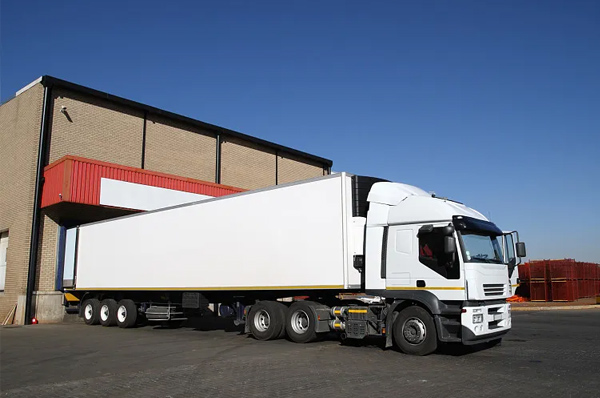
Shipment Route & Service Enquiry
Discuss the route and scope for your transport enquiry.
China–Belarus Transport Enquiry
Discuss China–Belarus transport for your shipment.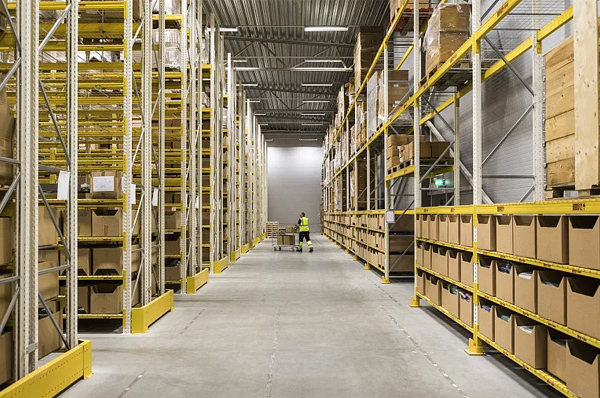
Russian Overseas Warehouse
Discuss warehouse receiving and packing requirements.
Russian E-Commerce Services
Discuss sourcing and delivery for Russian e-commerce.
China to Russia Rail Freight
Discuss China–Russia rail freight for your shipment.

Discuss sourcing and shipping to Russia
Please fill out the form below and we will get back to you as soon as possible.